Faith-Based Health Sharing vs. Traditional Insurance: What's the Difference?
Christian health sharing ministries offer a community alternative to insurance. Understand how they differ before you switch.
John Dennis, Theology MA, MBA, Biology BA — AliveInsure.com
Health, Medicare & Life Insurance Broker
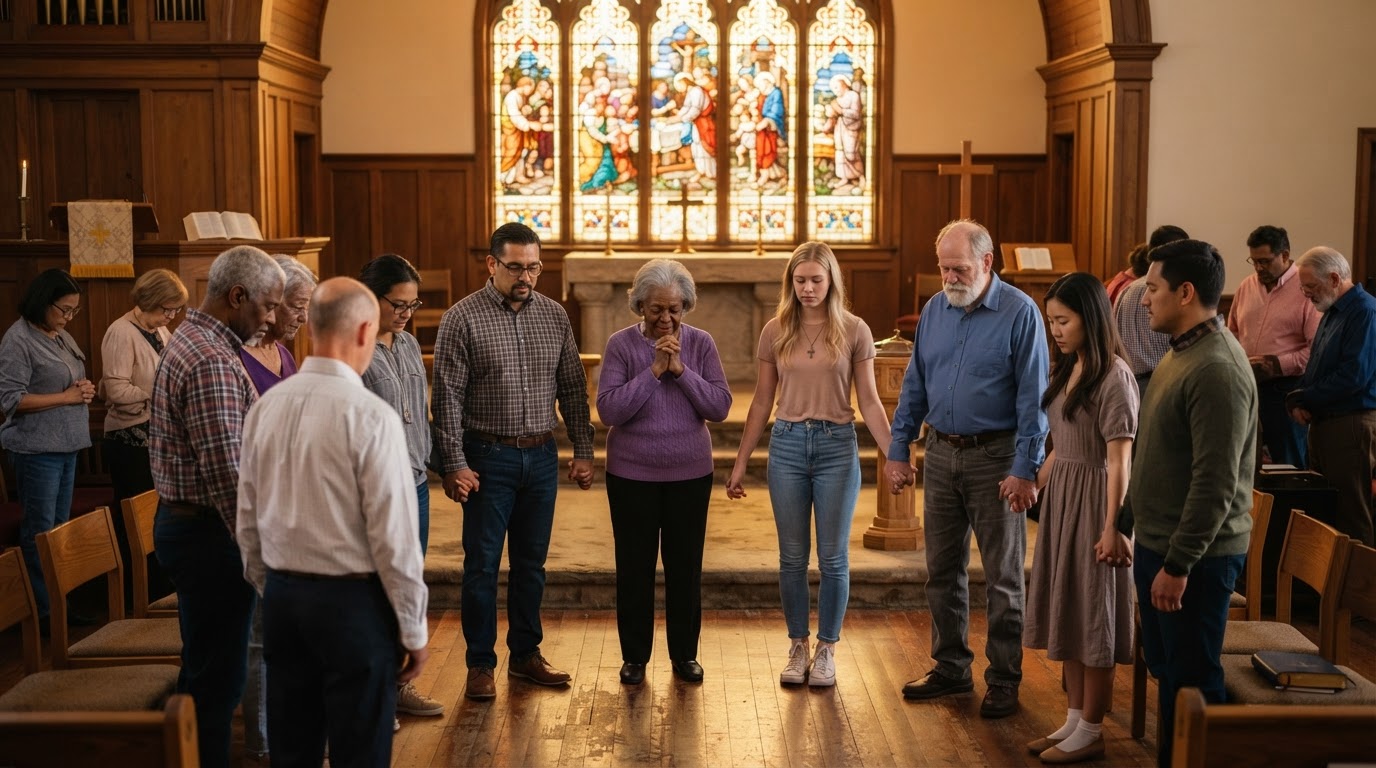
Faith-based health sharing programs are not insurance. Members contribute a monthly share amount, and those funds help pay other members' eligible medical needs, guided by shared religious beliefs.
The appeal is lower monthly costs and a community of like-minded believers. There are no ACA mandates, and programs often accept members year-round.
The trade-off: sharing programs are not legally obligated to pay. Eligibility is based on program guidelines, pre-existing conditions may be excluded initially, and there's no state guaranty fund backing. They also don't satisfy the ACA's coverage requirements.
For some families — especially healthy ones who share the faith — sharing is a meaningful, affordable option. For others, traditional insurance's guaranteed benefits are essential. We help you weigh both honestly.
Ask a Question About this Article or Suggest an Article to Write
Have a question about what you just read, or an insurance topic you'd like John to write about next? Send it to John and he'll personally reply with expert, no-pressure guidance.
Have questions about this topic?
Book a free, no-pressure consultation with John Dennis, independent licensed insurance broker.
Book an appointment